Is Pumpkin a Probiotic for Dogs? What Vets Say
Pumpkin is fiber, not a probiotic. Learn when plain pumpkin may help support digestion and when live microbes are the better choice.
Pumpkin is not a probiotic for dogs; it is fiber that may help support normal stool form.

On this page
Pumpkin is not a probiotic for dogs; it is fiber that may help support normal stool form. Use plain canned pumpkin when you want bulk and water-holding, and reach for live microbes when you want live microbes.
Choose first: do you need fiber or live organisms?
Check the label language. A probiotic, by definition, contains live microorganisms that confer a benefit, a point the National Center for Complementary and Integrative Health explains in its overview of how probiotics are defined and studied. Pumpkin contains no live cultures. It supplies soluble and insoluble fiber plus water, which may help support normal transit and stool consistency.
That distinction drives the decision. Soft but formed stool after a diet change, begging extras, or too many treats often responds to a small fiber step. Watery diarrhea, bloody stool, vomiting, lethargy, fever, abdominal pain, or no improvement within 24 to 48 hours is not a pumpkin case. Call your veterinarian, and review Can I Give My Dog Imodium for Diarrhea? What to Check First before giving any human drug.
Why pumpkin acts like food for microbes, not the microbes
Pumpkin fiber is a gentle, natural source of both soluble and insoluble fiber. Soluble fiber holds water and adds soft bulk. Insoluble fiber adds structure. Together they may help support regular bowel movements without adding live bacteria.
VCA Animal Hospitals describes plain cooked or canned pumpkin as a fiber supplement option for dogs, with emphasis on plain product and small amounts. That matters because pie filling contains sugar, spices, and xylitol risk. Buy 100% pumpkin, not mix.
Fiber is sometimes called prebiotic, meaning it can be fermented by resident gut bacteria. Prebiotic is still not probiotic. Think of it this way: probiotics seed, fiber feeds.
A kitchen example that keeps the choice clear
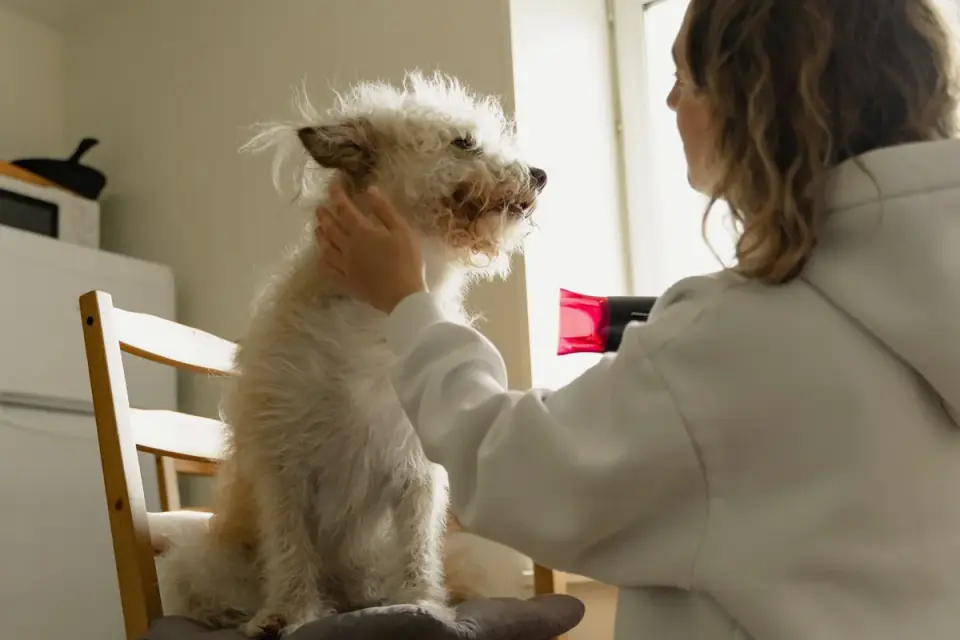
Vets often see the pumpkin confusion in mild cases. Marsha, in San Buenaventura (Ventura), California, lives with Beamer, a 5-year-old neutered male Bichon Frise mix. After three days of table scraps, Beamer passed soft piles twice daily but stayed bright, thirsty, and eager to walk two blocks.
Marsha weighed two options: spoon plain pumpkin for two days, or open a probiotic chew. Because the sign was soft form without warning signs, she layered food-first care with patience: bland base diet, measured water, one teaspoon of plain canned pumpkin with meals, and a 48-hour log of stool score, frequency, and appetite. If stools stayed liquid past day two, or vomiting started, the plan would switch to a veterinary exam rather than more pumpkin.
How to use plain pumpkin without overshooting
Keep servings small and plain. Start with one to two teaspoons for a small dog and one to two tablespoons for a large dog, mixed into the regular meal once daily. Watch the next 24 hours.
Stop and call your clinic if you see straining with no stool, repeated vomiting, blood, mucus that increases, weight loss, or a dog that stops drinking. For background on normal versus abnormal patterns, read The Complete Guide to Dog Gut Health and Digestion.
Do not combine three new variables at once. Adding pumpkin, a new kibble, and a probiotic on the same day hides what helped and what hurt.
Fiber alone rarely fixes gassiness.
For persistent flatulence, diet composition, eating speed, and malabsorption matter more than one spoon of pumpkin. Compare causes in Dog Gas Remedy: What Actually Reduces Flatulence and Its Smell.
When live microbes fit better
Choose a probiotic product when the goal is to add defined strains at a stated colony-forming-unit count through end of shelf life, with directions, storage limits, and lot traceability. Look for strain names, CFU per serving, an expiration date based on stability testing, and feeding directions by weight.
Pumpkin cannot do that job because it carries no counted strains. A combined approach can make sense — plain diet, then fiber for form, then a defined probiotic during recovery — but layer one change at a time and keep notes. For enzyme versus microbe decisions, see Digestive Enzymes for Dogs: When They Help, When They Don’t, and What to Look For.
Pumpkin supports. It does not seed.
Frequently asked questions
Is pumpkin a probiotic for dogs?
No. Pumpkin provides fiber and water that may help support normal stool form, but it contains no live probiotic organisms.
Can pumpkin replace a dog probiotic after diarrhea?
Not when live organisms are the goal. Use plain pumpkin for mild soft stool and ask your veterinarian about a defined-strain probiotic for prolonged or recurrent cases.
Sources
- Probiotics: What You Need To Know — National Center for Complementary and Integrative Health