5 Stages of Dog Digestion Time Explained
How long dog digestion takes from bowl to stool, what shifts transit, and when to judge diet or probiotic changes.
Dog digestion time runs slower than many owners expect, so stool changes often lag days behind diet shifts.
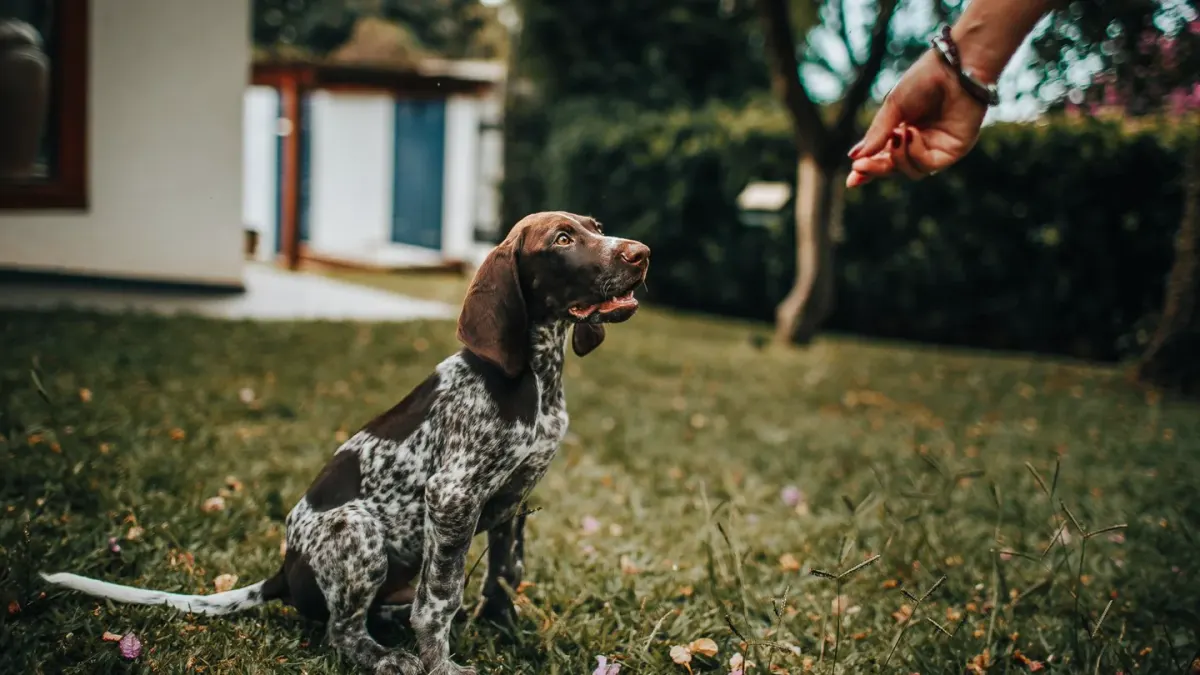
Devin started watching the clock after switching Bessie, his 8-year-old spayed English Bulldog mix in Round Rock, Texas, to a new fiber blend and checking every walk for three days for proof it was working. That waiting window is the right instinct, because normal canine transit is measured in many hours, not minutes, and judging too early leads to one change piled on another.
When to watch the bowl and when to watch the yard
The decision fork is simple. If appetite, energy, and water intake are steady and stool is only a little soft, give the gut time to show the pattern before you adjust again. If vomiting, bloody stool, straining with nothing passing, a painful belly, or a dog that will not eat appears, stop timing digestion and seek veterinary care.
Food therapy traditions describe this as a slow ripening and moving phase, where warmth and steady motility matter more than speed. Physiology says something similar in plain terms: the stomach churns and meters food out, the small intestine absorbs most nutrients, and the large intestine reclaims water and forms stool. That last segment explains much of the lag owners see.
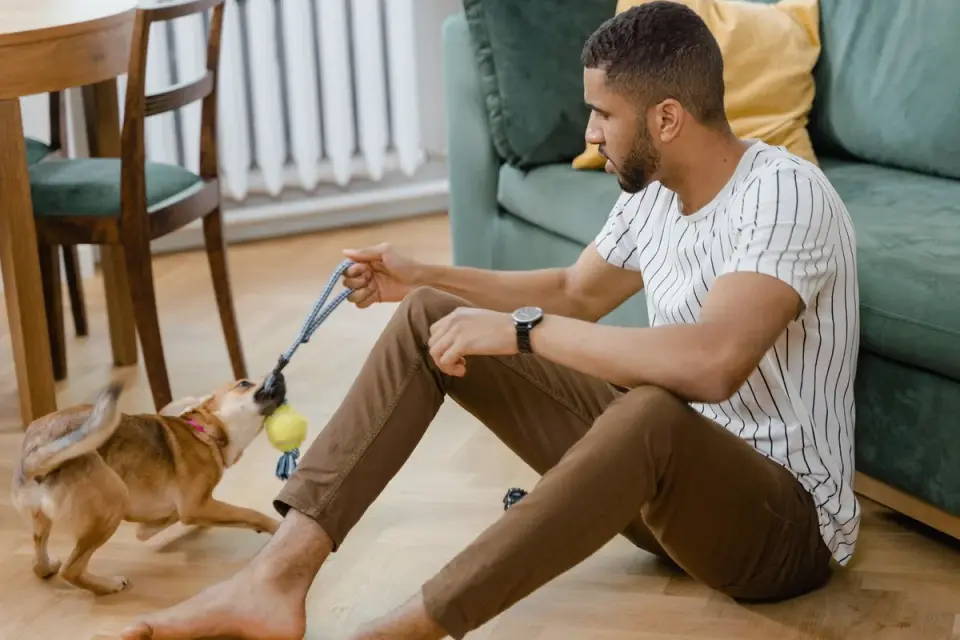
General owner resources such as the Merck Veterinary Manual describe the stomach, small intestine, and large intestine working as a sequence, while breed-level overviews such as the American Kennel Club outline how food moves from mouth through stomach and intestines. The stomach phase alone often lasts several hours in dogs, and whole-gut passage commonly extends across one to three days depending on meal size, fiber, fat, moisture, exercise, stress, and individual variation.
What each phase adds to the total
Gastric emptying is not dumping. Liquids leave faster, while larger, fattier, or drier meals linger for churning and acid and enzyme mixing. Then the small intestine moves chyme along for absorption over a few hours. Then the colon slows everything down again.
That colonic slowing is normal. Water recovery takes contact time. Highly fermentable fiber, sudden diet change, rich treats, swallowed hair or chew fragments, dehydration, low activity, pain, or stress can lengthen or shorten one segment and shift the stool you see two walks later. For related yard-level reading, see What Does Healthy Dog Poop Look Like? A Vet’s Read on Shape, Color, and When to Worry and Dog Gas Remedy: What Actually Reduces Flatulence and Its Smell.
Small, frequent meals with adequate water tend to support a steadier rhythm than one large dry meal followed by vigorous exercise. This is where the warm, pattern-based view is practical: favor regularity, warmth, and easy-to-digest foods during transitions rather than chasing a faster transit time.
How to time a diet or probiotic trial without fooling yourself
Pick one change and give it a fixed window before judging. For many healthy adult dogs, owners need at least seven to fourteen days to see a stable stool pattern after a diet or fiber adjustment, because each meal overlaps the last inside a slow tube.
Keep a short log: date, food amount, treats, stool shape, straining, gas, and appetite. Change only one variable at a time. If you add Digestive Enzymes for Dogs: When They Help, When They Don’t, and What to Look For or a fiber source, hold the rest of the diet steady. A balanced gut microbiome supports overall immune function, and pumpkin fiber is a gentle, natural source of both soluble and insoluble fiber, but neither one rewrites transit overnight.
I would change my view if controlled canine data showed that a particular probiotic strain or fiber dose produced a consistent, same-day stool change in healthy dogs across diets and body sizes. The current evidence does not show that kind of uniform rapid effect, which is why patience plus a clean trial tells more than an early verdict.
Vets often see the same trap Devin avoided by day four: three foods in five days, then no way to know which one mattered. Bessie settled once the household held the new plan steady, kept water fresh, kept walks at the same morning distance, and waited a full week before scoring the result.
Looking forward, use digestion time as a filter. Expect delay, track the pattern, support steady motility with consistent meals, moisture, fiber, and movement, and let the yard confirm what the bowl started.
Frequently asked questions
How long does it take a dog to digest food?
Often many hours in the stomach plus additional intestinal time, with whole-gut passage commonly spanning one to three days depending on meal, fiber, moisture, and the individual dog.
When should I judge a new food or probiotic by the stool?
Give it at least seven to fourteen days in a healthy adult dog unless vomiting, blood, pain, appetite loss, or straining with no stool occurs, which warrants prompt veterinary advice.
Sources
- Introduction to Digestive Disorders of Dogs — Merck Veterinary Manual