Do Dog Probiotics Need Refrigeration or Not?
A vet explains which dog probiotics need cold storage, how to read stability labels, and how to store chews and powders so they stay potent.
Cold only matters when the strain and package require it — your job is to match storage to the label, not to chill every jar on instinct.
Check the label first, then decide where the jar lives. Shelf-stable chews and spore-forming powders stay potent in a cool pantry, while live-culture liquids and some capsules lose strength fast at room temperature. Live bacteria die from heat, moisture, and oxygen exposure, which lowers colony-forming units before the expiration date. That loss may help support mobility and comfort less predictably when gut balance slips, so storage is function, not fussiness.
A short illustration helps. Griff, a 10-year-old neutered male Pembroke Welsh Corgi in West Jordan, Utah, had soft stools during a food change. His owner Alyssa weighed a refrigerated liquid against a pantry chew, and tracked stools for 14 days to see which routine she could keep consistent.
Follow the package, not the pet-store shelf
Read the Storage or Stability line before you buy. Keep refrigerated means the maker tested potency under cold conditions. Store in a cool, dry place means room temperature passed the same test.
Do not move a shelf-stable product into the fridge to help it. Condensation inside a repeatedly opened jar adds moisture with every door swing. That moisture can degrade chew texture and reduce viable count.
According to the NIH Office of Dietary Supplements, probiotic storage should protect live microorganisms from heat, moisture, and air to maintain potency through shelf life.
Why cold helps some strains and hurts routine
Refrigeration slows metabolic activity in live Lactobacillus and Bifidobacterium cultures. Slower metabolism means more organisms survive until the feed-through date.
Spore-forming strains such as Bacillus coagulans tolerate heat and pantry storage by design. They activate later in the gut, so cold adds no benefit.
Vets often see owners chill every supplement together. In practice, a stable routine in a closed pantry beats a damp fridge door for chews.
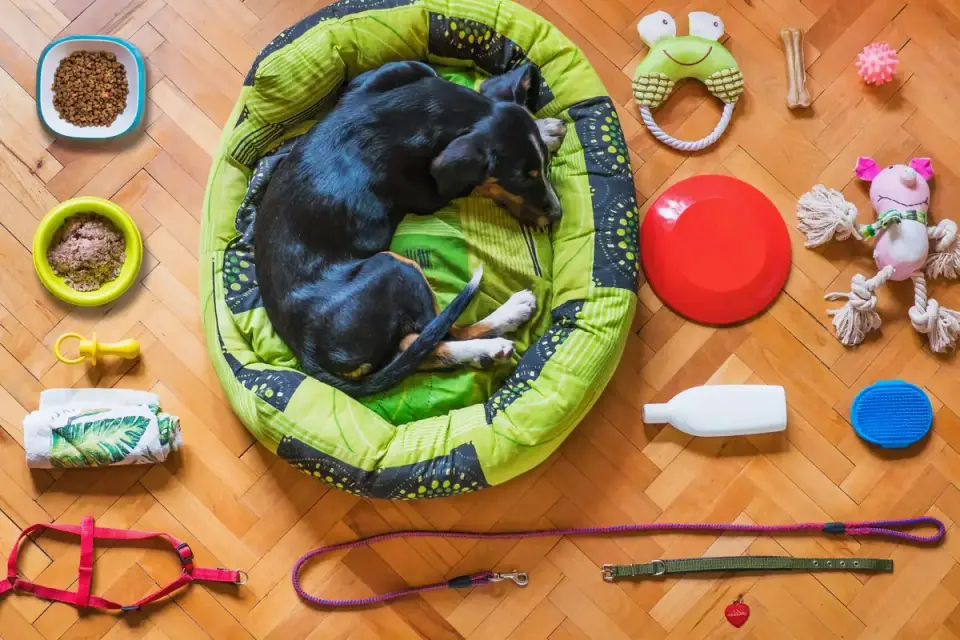
Keep every format sealed, dry, and away from the stove.
Store the dose so it still counts
Use these steps in order.
Close the lid fully after each scoop. Keep desiccant packets inside. Scoop with dry hands or a dry spoon. Keep powder below 77°F and below 65% humidity when possible. Discard past-date product rather than doubling scoops.
A balanced gut microbiome supports overall immune function, which is why consistent daily dosing matters more than heroic storage fixes.
The National Animal Supplement Council advises buying animal supplements with a clear lot number, storage directions, and a manufacturer contact so stability questions get answered.
Learn what normal stool variation looks like in What Does Healthy Dog Poop Look Like? A Vet’s Read on Shape, Color, and When to Worry before you judge results. For background on gut flora, see The Complete Guide to Dog Gut Health and Digestion. If gas is the main sign, compare notes in Dog Gas Remedy: What Actually Reduces Flatulence and Its Smell.
Skip the fridge unless the label asks for it, then protect the product from heat and moisture every day.
Frequently asked questions
Can I leave refrigerated dog probiotics out while traveling?
Keep them cold with an insulated pouch and ice pack, then refrigerate on arrival. If they sit above room temperature for more than a day, call the maker for stability guidance.
Does freezing extend potency?
No. Do not freeze unless the label specifically allows it. Freeze-thaw moisture can damage live cultures and chew binders.
Sources
- Probiotics - Health Professional Fact Sheet — NIH Office of Dietary Supplements