What Causes Bubble Gut in Dogs After Eating?
Bubbly stomach noises, gas, and loose stool often point to fermentation from incomplete digestion — what to change first.
Bubbly guts in dogs often mean fermenting leftovers — fix digestion first, then decide on extras.
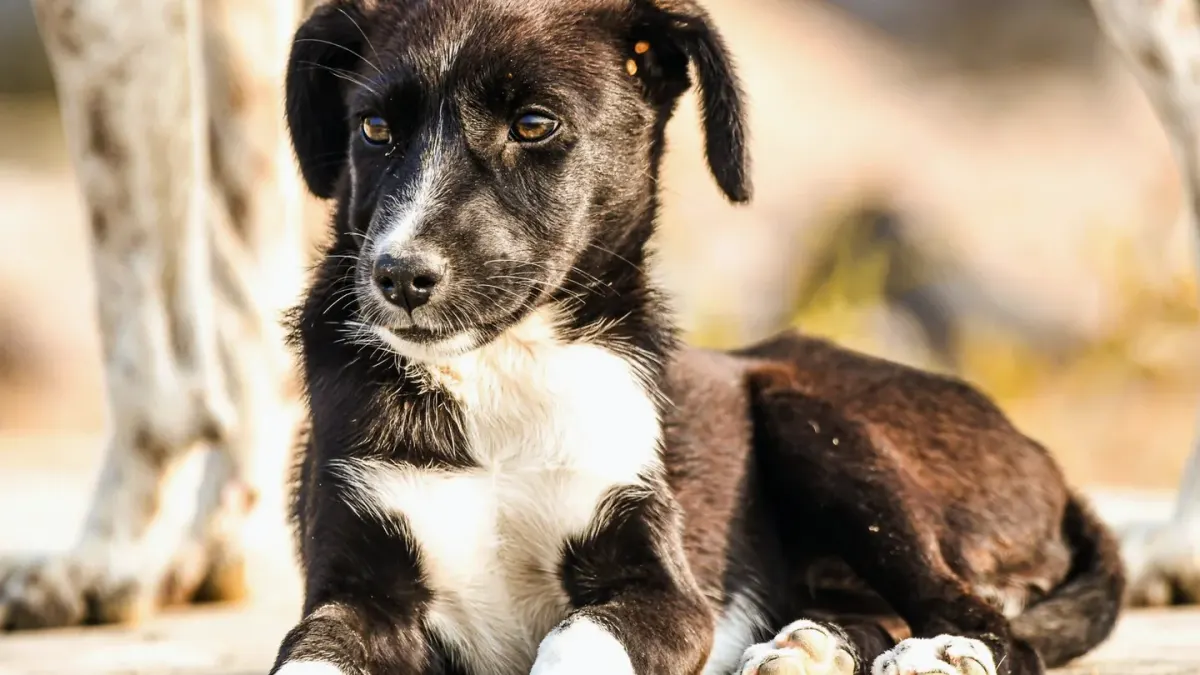
Gurgling, sloshing, and foul gas usually mean one pattern: food reaching the colon half-digested, then fermenting.
Start with this fork — noisy gut with normal energy and appetite points toward feeding and digestion, while vomiting, bloody stool, belly pain, bloat, or a dog that will not eat points toward the clinic now.
Quick checklist before you buy anything:
- Match meals to the dog in front of you — amount, fat level, treats, table scraps, and speed of eating
- Transition foods over 7–10 days and keep a 3-day stool and gas log
- Rule out gulping, sudden diet swaps, spoiled food, and rich chews
- Track fiber type, not just fiber amount — fermentability changes gas
- Add digestive support only once the base diet is steady
- Call your veterinarian for repeat diarrhea, weight loss, or abdominal swelling
That order matters because fermentation is downstream. When starch, poorly chewed kibble, excess fat, or fermentable extras escape small-intestinal digestion, colonic microbes finish the job and release gas and acids.
Feed the small intestine first, quiet the colon second
In practice, vets often see the same sequence: a new bag, a new topper, plus training treats, then three nights of bedroom-clearing gas.
Alfred in Garland, Texas, went through it with Loulou, a 5-year-old spayed West Highland White Terrier who started gurgling loudly after dinner and passing gas every hour for 2 evenings after a sudden switch to a richer food with added cheese treats.
A reset helped more than an add-on: back to the prior food, smaller morning and evening meals, a slow-feeder bowl, no extras for 5 days, and water kept fresh. Stool firmed, noise faded.
For context on normal versus worrisome signs, compare shape and odor cues in What Does Healthy Dog Poop Look Like? A Vet’s Read on Shape, Color, and When to Worry and the flatulence triggers reviewed in Dog Gas Remedy: What Actually Reduces Flatulence and Its Smell.
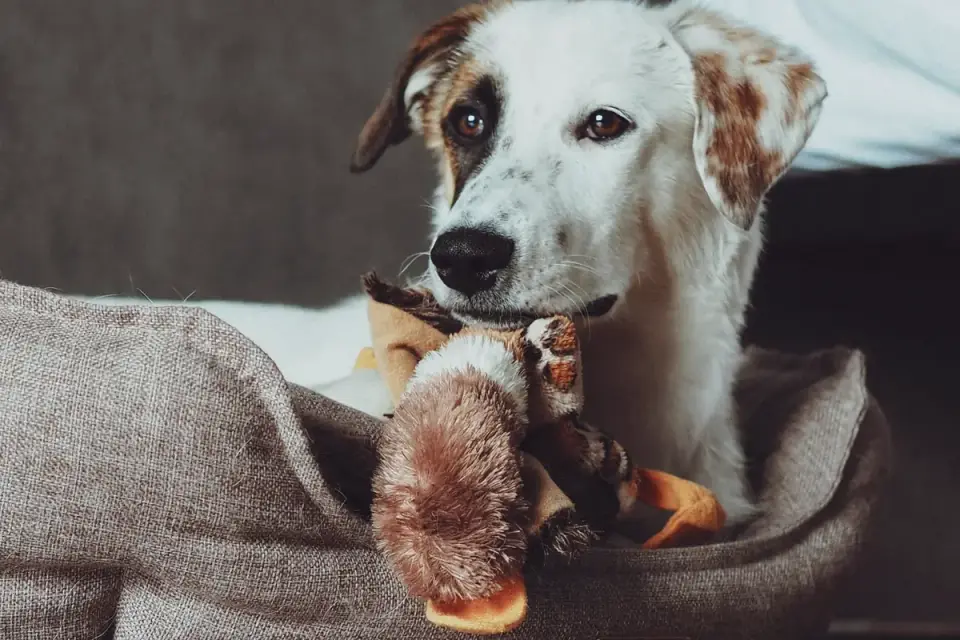
Food therapy here is practical, not exotic. Cooked, plain, low-fat, easy-to-digest meals for a short period may help support settled digestion while you sort the long-term diet with your veterinarian, alongside acupuncture, gentle Tui-na belly work, and western or Chinese herbs only as part of a whole-patient pattern.
Not all fibers ferment the same way
Pumpkin fiber is a gentle, natural source of both soluble and insoluble fiber.
That still does not make every fiber equal for a gassy dog. In fermentation work described in the Journal of Animal Science, researchers reported: “Bacterial alpha diversity metrics increased (P < 0.01) during acacia fiber fermentation and decreased (P < 0.01) during inulin and pectin fermentation.”
Different substrates, different microbial shifts.
For bubbly dogs, that is a useful caution against stacking several highly fermentable prebiotics at once. One change at a time wins.
Gas itself is common and often diet-related, a point VCA Hospitals reviews when sorting dietary causes of flatulence from medical causes that need workup.
Where enzymes and microbes fit — and where they stop
Digestive enzymes may help support breakdown of food in dogs with incomplete digestion, but they do not fix overfeeding, abrupt swaps, or a diet that is simply too rich.
Read more in Digestive Enzymes for Dogs: When They Help, When They Don’t, and What to Look For.
Probiotics sit in the same place in this pattern. A balanced gut microbiome supports overall immune function.
That is structure/function support, not a cure for bubble gut. If meals are steady, portions fit, treats are counted, and stool is still soft and noisy after 2–3 weeks, ask your veterinarian about fecal testing, diet trial design, maldigestion, food sensitivity, and whether a probiotic, fiber, or enzyme tool fits the pattern.
One pattern organizes the toolkit: digest it upstream, ferment less downstream.
Frequently asked questions
What is bubble gut in dogs?
Owners usually mean loud gurgling, gas, bloating sensation, and soft stool. It most often reflects colonic fermentation of poorly digested food rather than a single disease.
Should I give a probiotic first?
Steady the diet first — portions, fat, treats, transition pace, and feeding speed. Add microbial or enzyme support only once the base diet is consistent, with your veterinarian's input.
When is bubbly gut an emergency?
Seek prompt care for swollen hard abdomen, retching without vomit, repeated vomiting, bloody stool, severe pain, lethargy, or refusal to eat.
Sources
- Acacia fiber fermentation and bacterial diversity — Journal of Animal Science