Why Bulldogs Are Prone To Hip And Joint Problems
Bulldogs face higher hip and joint risk from body shape, genetics, and weight. A vet explains what to watch and how to support mobility for life.
A Bulldog's rolling walk looks charming until you realize how much work those short legs and wide hips do with every step.
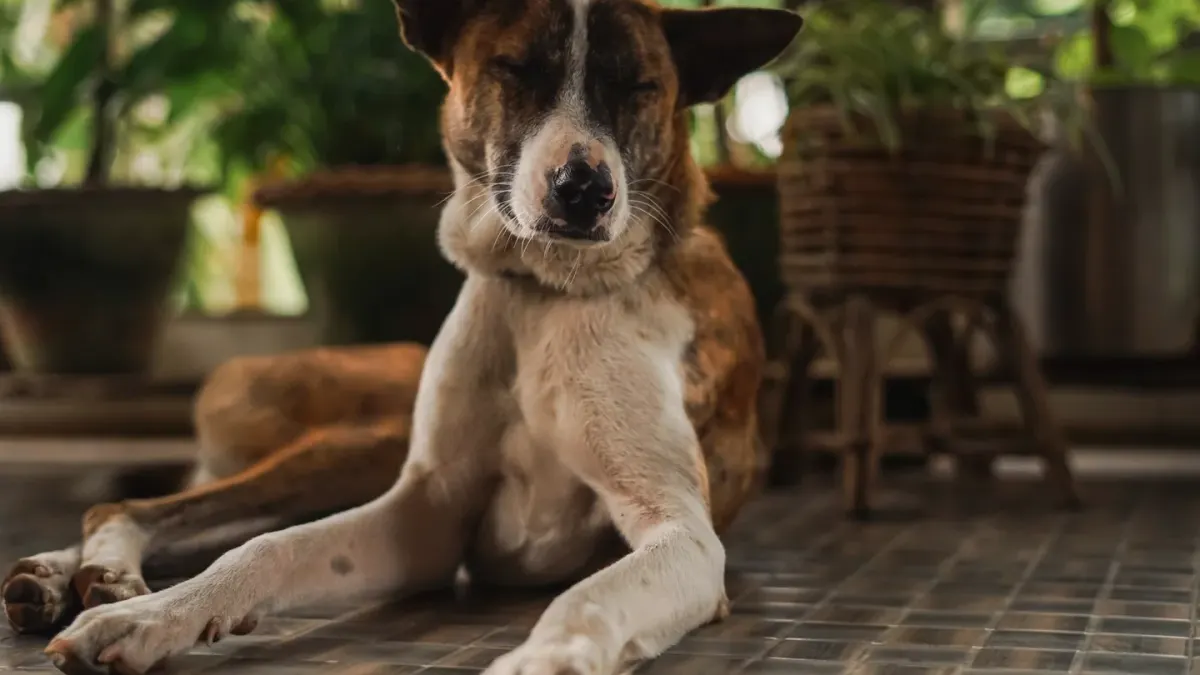
What makes a Bulldog move the way he does — and when should that movement worry you?
- Checklist: what I watch first in Bulldogs
- Wide front, heavy head, short legs that load hips unevenly
- Extra pounds that turn normal stiffness into daily limping
- Slow rises, bunny-hopping, reluctance on stairs or slick floors
- Short, frequent walks over weekend warrior exercise
- A whole-patient plan: steady weight, acupuncture, Tui-na bodywork, food therapy, and joint-support ingredients where they fit
That pause matters.
The Bulldog puppy in front of me was only nine months old, 44 pounds, all chest and wrinkles and snort. His owner worried because he sat sideways every time, legs kicked out like a frog, then thumped up with both hind legs together. Three weeks in to a new routine of twice-daily ten-minute leash walks, non-slip rugs, and measured meals, the change she noticed was not speed but symmetry — he still waddled, but by day 21 he was pushing up with one leg at a time instead of hauling both together. That early pattern told us where to focus: conformation, weight, and habit, braided early rather than chased later.
When the puppy frame sets the adult joint
Bulldog puppies grow into a shape that was selected for, not stumbled into: massive head and shoulders, shortened muzzle and limbs, broad pelvis, and often shallow hip sockets. That build shifts load toward cartilage, joint capsules, and the soft tissues that stabilize the hip. In my practice I braid the four modalities into one whole-patient plan from the start — gentle acupuncture to help maintain comfortable movement, Tui-na to support balanced muscle tone around the hips, Chinese herbs matched to pattern and function, and food therapy fed for lean growth — because no single tool carries a heavy-bodied puppy alone.
The strongest counterargument I hear is to wait and see, since many Bulldog puppies look clumsy but sound. I still land on early structure because extra weight and slippery floors compound a conformation risk quickly. Keep growth lean, keep surfaces grippy, and keep play in short bouts.
Joint ingredients enter here as support, not repair. Glucosamine and chondroitin are among the most studied joint support ingredients for dogs, which is why I group them with weight and movement rather than apart from it. Research described in the Journal of Veterinary Medical Science found glucosamine HCl “prevent experimentally induced cartilage degradation in vitro,” a laboratory finding that helps explain interest in cartilage nutrition without promising a new hip. A separate review in Frontiers in Veterinary Science discusses chondroitin in work that “supports healthy synovial fluid homeostasis,” which matters for how comfortably a tight Bulldog hip glides.
The middle years when weight writes the story
The middle-years Bulldog I think about most was a five-year-old, 58 pounds, who loved the couch and tolerated walks. His owner had tried what many try: a month of only weekend hikes plus a bargain chew, then frustration when Monday brought limping. By week four he was slower on the three front steps and needed two attempts to stand on hardwood. The tradeoff was clear — long, infrequent exercise loaded unconditioned hips, while inconsistent supplement use and five extra pounds did the quiet daily damage. We did not need a harder workout; we needed a braided, measured plan per paragraph of his real life.
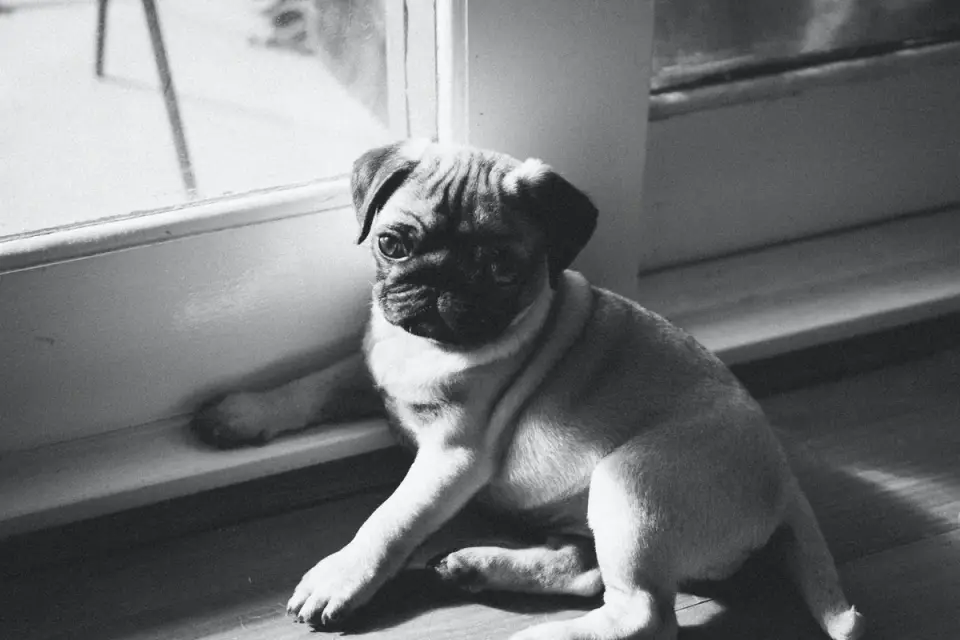
So we rebuilt the week around pattern and function: brief daily walks with sniff breaks to maintain hind-end circulation, Tui-na along the lumbar and gluteal muscles to help maintain suppleness, acupuncture timed to his stiffness rhythm, and food therapy portions recalculated for a 50-pound target. For owners sorting labels through this stage, How to Read a Dog Hip and Joint Supplement Label Like a Vet helps separate dose from marketing, and Glucosamine vs. Green-Lipped Mussel for Dog Joints: Why the Best Answer Is Both lays out why those ingredients are often paired. Green-lipped mussel itself contains omega-3 fatty acids and glycosaminoglycans studied for joint support, and laboratory work summarized in Nutrients noted that “BMO, GMO, and KO all alleviated paw swelling in rats and reduced serum levels of rheumatoid factor (RF), anti-cyclic citrullinated peptide (anti-CCP) antibody, and pro-inflammatory cytokines such as TNF-α and IL-17.” That is animal-model evidence, not proof of comfort in your Bulldog, and I cite it only to show why researchers keep looking.
The senior Bulldog and the comfort-first plan
The edge case that changes my advice is the senior Bulldog who is both arthritic and anxious — the eight-year-old, 54 pounds, who pants at night, paces on tile, and then cannot rise smoothly at 6 a.m. Treating hips alone misses the loop: poor sleep tightens muscles, tight muscles worsen morning stiffness, and morning stiffness makes the next night more restless. For that dog I braid acupuncture to help support calm and comfortable movement, evening Tui-na with slow hind-limb range of motion, warming food therapy textures matched to digestion, and herbs chosen for the combined pattern, not the radiograph alone.
This is where sequencing beats stacking products. How to Help an Old Dog With Stiff Joints: A Practical Vet Guide walks through home footing, ramp training, and pacing, while Calming Supplement vs. Joint Supplement: Which Comes First for an Anxious, Arthritic Dog? helps decide which need leads on a given week. I may help support an older Bulldog with glucosamine, chondroitin, or green-lipped mussel as part of that braid, grounded in what each ingredient has actually been studied to do, never as a promise to rebuild a dysplastic hip.
Could your Bulldog’s waddle stay charming with the right daily scaffolding around it?
Frequently asked questions
Why do Bulldogs bunny-hop or sit sideways?
Their wide chest, short limbs, and often shallow hip sockets change how load moves through the pelvis. Occasional sideways sitting in a puppy can be conformation, but persistent bunny-hopping, slow rises, or reluctance on stairs deserves a veterinary exam and a weight check.
Can weight loss really help a Bulldog's hips?
Yes, in practical terms. Less body weight means less load on cartilage and soft tissues with every rise, step, and stair. Measured meals, daily short walks, and non-slip footing are the foundation I prioritize before any supplement.
Do joint supplements fix hip dysplasia in Bulldogs?
No. Supplements do not reshape a shallow socket or cure dysplasia. Ingredients like glucosamine, chondroitin, and green-lipped mussel are best understood as part of a broader plan to help support joint comfort, movement, and nutrition alongside veterinary care.
Sources
- Cartilage degradation in vitro study — Journal of Veterinary Medical Science
- Synovial fluid homeostasis review — Frontiers in Veterinary Science
- Marine oil inflammation model study — Nutrients