Why a Dog Pants and Drools Before Vet Visits
A rehab clinician explains the stress physiology behind pre-visit panting and drooling, and what supports comfort and movement on vet day.
Your dog pants and drools before vet visits because stress hormones drive heat, saliva, and movement.
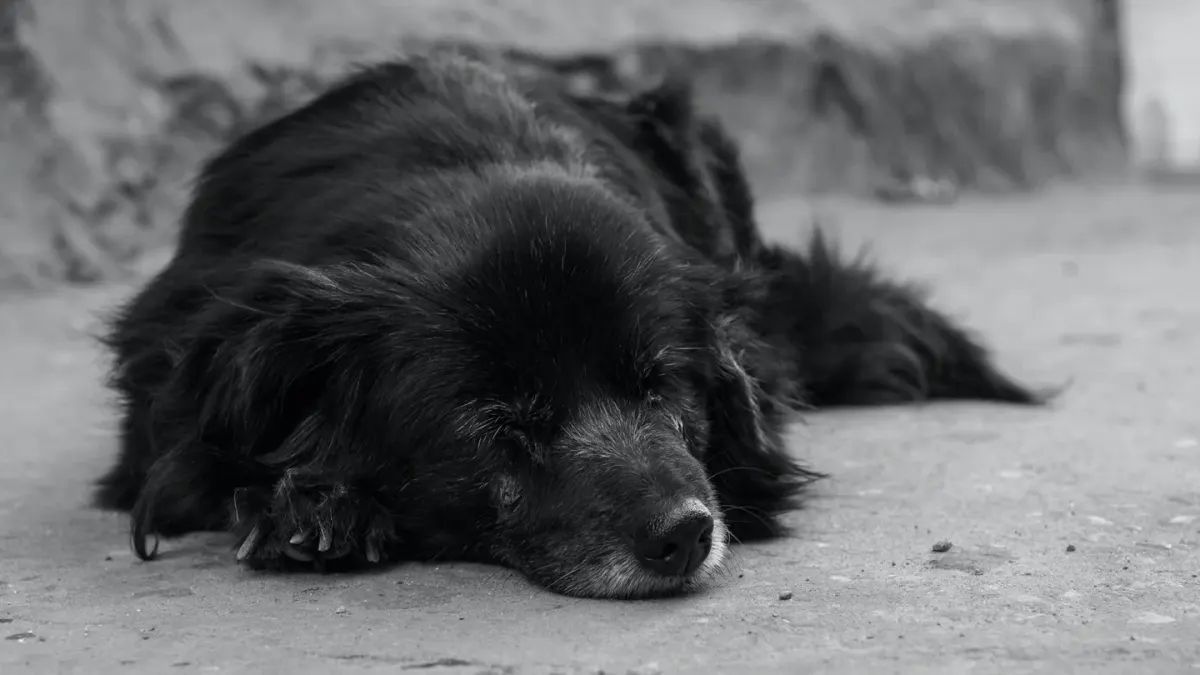
Panting on the car ride and a wet line of drool on the waiting-room floor usually trace back to anticipatory stress, not disobedience or poor training. The brain links the carrier, the parking lot, and the smell of disinfectant with restraint and discomfort, and the autonomic nervous system answers before you check in. Heart rate climbs, breathing quickens to shed heat, and salivary glands shift output. Think in movement, comfort, and quality of life, and the question changes from how to stop the signs to how to lower the load that produces them.
A 6-year-old, 68-pound Labrador mix starts pacing when his owner pulls the vet folder from the drawer. By the time they park, he is panting with a wide commissure, ears back, yawning between breaths, and leaving damp spots where his jowls hang. His owner worries this means pain or nausea and wonders whether to cancel, give a calming chew in the parking lot, or ask for sedation. The concrete decision is triage first, support second: rule out medical causes for heavy panting and drooling, then build a predictable movement plan for the visit itself.
The stress circuit that drives panting and drool
Panting is rapid, shallow breathing that increases evaporative heat loss and oxygen delivery during arousal. Sympathetic activation releases catecholamines, respiratory rate rises, and mouth-breathing replaces quiet nasal breathing. Drooling often rides alongside because stress alters autonomic balance to the salivary glands, and an open, panting mouth simply lets saliva fall instead of being swallowed. Nausea, motion sickness, heat, oral pain, and certain medications can produce the same pair, so new, severe, or persistent panting and drooling deserve medical evaluation rather than an assumption of anxiety.
That overlap matters for comfort. A dog holding tension through the neck, jaw, and thoracic sling breathes less efficiently and moves more stiffly on the exam table. Meeting older dogs and their people where they are means watching gait into the clinic, willingness to sit or lie down, lip licking, whale eye, tucked tail, and avoidance, not only the volume of pant or drool.
Supportive ingredients are often discussed here, but the evidence base stays narrow once you leave laboratory models. For chamomile, one summary notes: “For the remaining species, evidence is derived mainly from preclinical studies or traditional use.” That assessment, published by MDPI, keeps expectations realistic for dogs. For ashwagandha, “A systematic review analyzed multiple RCTs and concluded that ashwagandha has a moderate positive impact on stress reduction and cognitive performance,” as reported by Cureus. For L-theanine, human data remain limited, described in one review as “except for one study on psychotic anxiety (SMD = 0.54; 400 mg/day for 8 weeks)” via Nature.
Calm handling supports movement more directly than any chew taken at the door.
When the quick fix makes the visit harder
A 4-year-old, 42-pound cattle-dog mix hated the lobby so much her owner tried a double dose of a calming chew plus a long restraint hug twenty minutes before the appointment. Three weeks in of repeating that pattern, the dog began drooling at the sound of the treat bag and panting before the leash appeared. The chew had become a predictor, and tight restraint had removed her ability to create distance. The tradeoff was clear: the owner wanted faster calm, yet flooding and last-minute dosing raised anticipatory arousal and stiffened how the dog loaded her front legs, jumped onto the scale, and accepted handling around the hips.
My position is direct. Prioritize predictable movement over suppression. Short lobby time, a mat or blanket cue, car waiting when it is safe and cool, pre-visit anxiolytics prescribed for the individual dog when the veterinarian advises them, and low-restraint handling preserve joint comfort and make the exam more accurate. I reject the idea that heavy panting should be powered through for a complete exam in one pass. The strongest counterargument is that sedation or postponement feels like failure or extra cost. It is not. A paused exam protects airway, gait assessment, and trust, and trust is what lets the next visit go smoother.
Readers sorting chews and routines can compare that handling-first approach with broader explainers such as Dog Anxiety Supplements: What Actually Calms a Nervous Dog, and What’s Just Marketing and Dog Calming Chews: What the Evidence Actually Supports.
The edge case that changes the plan
A 9-year-old, 55-pound senior with early hind-limb stiffness pants and drools before visits but also pants at home at night, drinks more water, and lags by day 10 after increased stairs. Stress alone does not explain that pattern. Pain, cognitive change, cardiac or respiratory disease, and endocrine shifts all raise baseline respiratory effort, so the vet clinic only reveals what home life already carries. For this dog, comfort work starts before desensitization: non-slip footing, ramp access, regular gentle walks, weight control, and a pain assessment that watches rise-from-down, turn radius, and willingness to stand for examination.
Use that lens on vet day. Ask for the first appointment, wait outside or in the car, bring the blanket that smells like home, reward settled breathing rather than only stillness, and keep the exit easy with no tight leash pull off the table. For context on seasonal and routine triggers that stack onto clinic stress, see Can Dogs Get Seasonal Affective Disorder? What the Evidence Actually Shows and Ashwagandha for Dogs: What the Evidence Actually Supports.
The practical next step is a two-line plan for your next visit: one medical rule-out and one comfort change. Confirm with your veterinarian that panting and drooling fit anxiety rather than illness or motion sickness, then shorten the hardest part of the sequence.
Frequently asked questions
Why does my dog start panting before we even enter the vet clinic?
Anticipatory stress activates the sympathetic nervous system, raising heart and breathing rates before handling begins. Learned cues like the carrier, car route, or parking lot can trigger it.
Is drooling before a vet visit normal?
Light drooling with panting, yawning, lip licking, or avoidance often reflects stress and an open mouth. Heavy, sudden, foul-smelling, or persistent drooling, or drool with vomiting, pale gums, or collapse, needs prompt veterinary care.
Should I give a calming supplement right before the visit?
Last-minute dosing rarely overcomes high arousal and can become a stress cue itself. Ask your veterinarian about a full plan combining training, handling adjustments, and, when appropriate, prescribed pre-visit medication.