Is Benadryl Safe To Calm An Anxious Dog
Can Benadryl calm an anxious dog? A veterinarian explains sedation vs calm, safety risks, and better anxiety options.
Benadryl may make a dog sleepy, but sleepy is not calm, and anxiety needs better support.

On this page
A 6-year-old, 48-pound Labrador starts pacing at the first distant rumble, panting through the evening walk and then refusing dinner, and the owner wonders whether half a tablet of Benadryl in the cheese drawer could carry him through storm season. That decision point is where most anxious-dog plans go sideways, because sedation looks like relief while the nervous system stays wound tight. My bias is plain: I would rather support whole-patient balance with predictable routine, bodywork, and studied calming ingredients than borrow drowsiness from an antihistamine.
Check first: is Benadryl the right tool for anxiety
- Sedation is not calm. Diphenhydramine causes drowsiness in many dogs, but it does not teach the brain a calmer response.
- Safety is conditional, not guaranteed. Dose, glaucoma, prostate disease, heart disease, pregnancy, and combination products change the math.
- Paradoxical excitement happens. Some dogs get restless, vocal, or agitated instead of sleepy.
- Dry mouth, urinary retention, and constipation signal anticholinergic load, not relaxation.
- Anxiety plus mobility stiffness needs balance, not just quiet. Acupuncture, Tui-na, steady exercise, and herbal context may help support ease of movement alongside behavior work.
That last point matters to how I practice. A stiff senior who cannot settle on a hard floor will pant and circle, and an owner may call it anxiety alone. When we help maintain comfortable movement, the dog can actually use the bed, the routine, and the calming protocol we give.
A 4-year-old, 22-pound beagle mix arrived wired after two weekends of fireworks, and the owner reported trying an over-the-counter allergy tablet a neighbor suggested. By day 3 the dog was groggy until noon, then more reactive at dusk, chewing the crate pad and barking at hallway noise. The timeline told the story better than the label did. Sleep had been borrowed in the morning and repaid as irritability at night, while the underlying noise sensitivity had never been addressed with desensitization, a safe den space, or a consistent wind-down cue.
What Benadryl does, and what it does not do for fear
Diphenhydramine is a first-generation antihistamine with anticholinergic and sedative effects. In veterinary references such as VCA Hospitals, it is discussed for allergy signs, motion sickness, and mild sedation, with cautions around glaucoma, heart disease, hyperthyroidism, and use with other sedatives or monoamine oxidase inhibitors.
That profile explains the mismatch. It may make eyelids heavy. It does not reduce learned fear of thunder, separation cues, or vet-room triggers. For storm-specific layering, I prefer the approach in How to Calm a Dog During Thunderstorms: A Layered Protocol, Not a Single Fix.
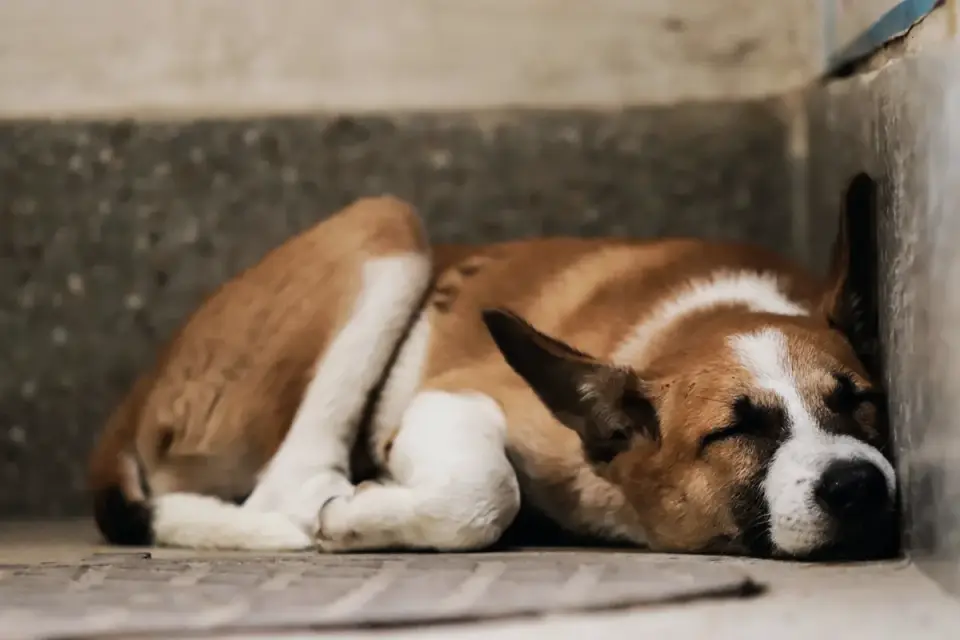
Short paragraph that carries weight: Drowsy can still be distressed.
When owners consider it anyway: safety screen
I do not recommend reaching for it as a calming plan without a veterinarian who knows the dog. If it ever comes up in clinic, we screen the same list every time: current medications, especially sedatives and anxiety drugs, heart or eye disease, age and frailty, pregnancy or nursing, and whether the product contains anything besides diphenhydramine. Combination cold, sinus, or sleep formulas with decongestants, alcohol, or xylitol are a different risk entirely.
The strongest counterargument is practical. Benadryl is accessible, inexpensive, and familiar, and for a mildly carsick dog a veterinarian may accept short-term sedation as part of travel. I understand that appeal. I still land against it for routine anxiety because it trades observation for quiet, can blunt learning during behavior modification, and leaves the dog groggy when steady footing and clear cues matter most.
A 9-year-old, 65-pound shepherd cross with evening restlessness showed the tradeoff clearly. Three weeks in on a new bedtime routine with evening Tui-na along the back, gentle hind-limb range of motion, and a low-stimulation den, she began settling by 10 p.m. instead of pacing until midnight. When the family tested a sedating antihistamine before a gathering, she stumbled on the stairs, slept hard, then woke disoriented and whined at the door. Comfort had been improving through balance and habit. The shortcut cost coordination without buying confidence.
Better-supported options to discuss with your veterinarian
For daily worry and predictable triggers, I look first to behavior structure, then to ingredients with a clearer calming literature base.
L-theanine is one of those ingredients. L-theanine is an amino acid found in tea that has been studied for its calming properties. The human dose-response literature is still narrow, with one synthesis noting “except for one study on psychotic anxiety (SMD = 0.54; 400 mg/day for 8 weeks)” reported by Molecular Psychiatry, so I treat it as supportive rather than decisive for dogs.
Ashwagandha has more systematic review attention for stress. “A systematic review analyzed multiple RCTs and concluded that ashwagandha has a moderate positive impact on stress reduction and cognitive performance.” That summary comes from Cureus. Canine-specific dosing and long-term data remain limited, which is why veterinary guidance matters.
Chamomile and valerian sit more in traditional use. “Chamomile and Valerian Root have been used in traditional herbal care to support relaxation.” For other species beyond the best-studied models, “For the remaining species, evidence is derived mainly from preclinical studies or traditional use.” Both lines are consistent with the review published in Biomedicines. I use them in plain herbal context, not as a replacement for training or veterinary anxiolytics when fear is severe.
For trigger-specific help, see Calming Supplements for Thunderstorm-Anxious Dogs: What the Evidence Actually Shows and Storm Anxiety or Separation Anxiety? How to Tell Which One Your Dog Actually Has. If botanicals interest you, Ashwagandha for Dogs: What the Evidence Actually Supports lays out where the data stop.
An 11-year-old, 34-pound border collie mix with thunder phobia and morning stiffness changed how I counsel edge cases. By day 10 on a layered plan with non-slip rugs, a window-shaded resting spot, short midday sniff walks, and veterinarian-prescribed situational support, trembling during moderate rain eased while gait stayed steady. The surprise was not the storm score. It was that helping maintain hind-end comfort through medical manipulation and paced activity did more for nighttime settling than any sedative had, because the dog could finally hold a down-stay without aching.
So where does that leave the medicine cabinet? Will your anxious dog do better with less sedation and more structure, movement comfort, and truly calming support?
Frequently asked questions
Will Benadryl calm my dog during fireworks or storms?
It may cause drowsiness, but it does not treat fear and some dogs become more agitated. A layered plan with a safe space, sound buffering, training, and veterinarian-approved calming support works better.
What are signs Benadryl is a poor fit for my dog?
Excessive grogginess, stumbling, agitation instead of rest, very dry mouth, trouble urinating, constipation, rapid heartbeat, or worsening anxiety the next evening. Contact your veterinarian promptly if you see these.
What should I ask my vet instead for anxiety?
Ask about the trigger pattern, pain or mobility factors, behavior modification, and whether a studied calming ingredient or prescription anxiolytic fits. Bring age, weight, health history, and all medications and supplements.
Sources
- Diphenhydramine Guide — VCA Hospitals
- L-Theanine and Anxiety Review — Molecular Psychiatry
- Ashwagandha Stress Review — Cureus
- Chamomile Evidence Review — Biomedicines