How To Crate Train An Adult Rescue Dog With Anxiety
A TCVM-minded veterinarian explains how to crate train an adult rescue dog with anxiety using pacing, pain screening, and calm routine building.
A quiet crate becomes safe only when pacing, pain, and predictability come before confinement.
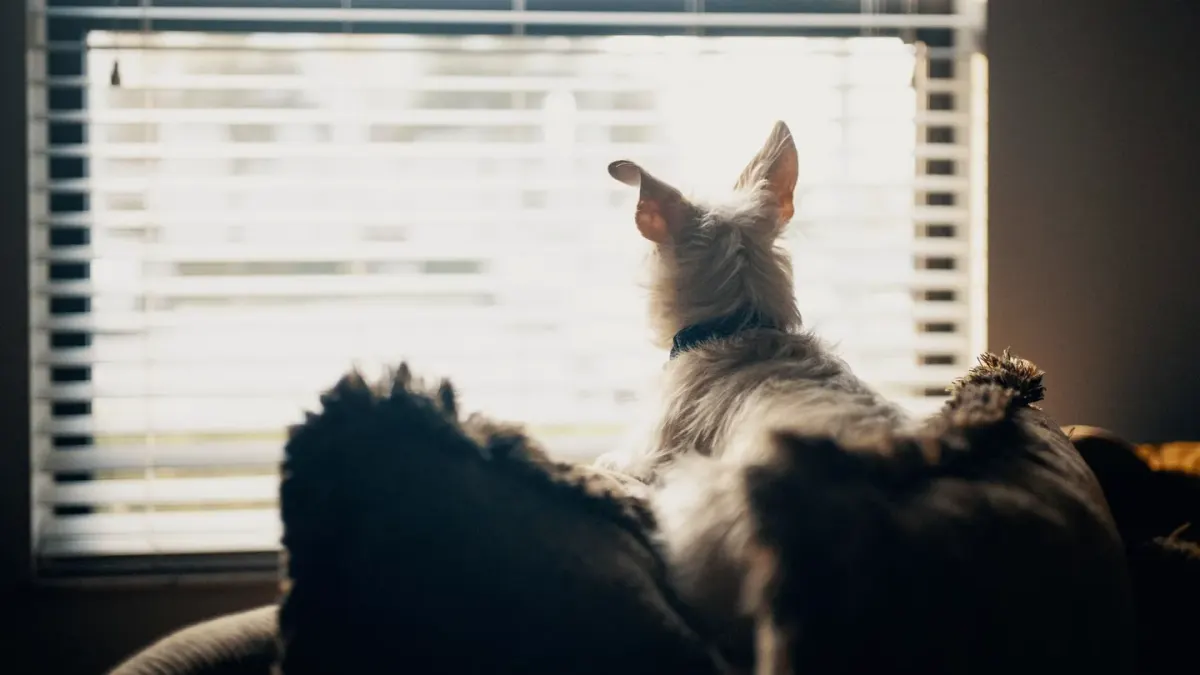
An adult rescue rarely fears the crate itself; the dog fears being trapped with nowhere to settle. My recommendation is conservative and evidence-bounded: screen for pain and true separation distress first, then build crate time in short, choice-based steps, using calming support only as background. The strongest counterargument is to push through with longer confinement until the dog gives in, and I reject that approach because flooding tends to deepen anxiety rather than resolve it.
Start here: the decision checklist
- Rule out pain, GI upset, and unmet exercise needs before labeling behavior as anxiety
- Distinguish confinement distress from separation anxiety — the plans differ
- Let the dog choose to enter; feed, sniff, and rest near the crate for days first
- Keep early sessions under 10–15 minutes, with you nearby and the door open or briefly closed
- Track one observable marker daily: panting, drooling, vocal time, or latency to lie down
- Add calming routine and, if needed, a supplement with studied ingredients — never as the whole plan
- Call the veterinarian if the dog injures teeth or nails, refuses food, or panics past two weeks
I seat meridian logic comfortably beside a conventional workup here. In TCVM framing, a restless Shen often reflects both Heart spirit unsettled by change and underlying deficiency from poor sleep, travel, or shelter stress. That lens does not replace radiographs, gait assessment, or a separation history. It simply reminds me to treat the whole patient — sleep, digestion, movement, and routine — while the crate becomes familiar.
Three weeks in is usually when I see the pattern clarify. A 4-year-old, 52-pound mixed-breed rescue arrived after shelter transfer, panting at doorways and circling the living room at night. The new owner wanted the crate closed overnight right away to protect furniture. Instead we left the crate open beside the couch, fed every meal inside, and logged settling time. By day 10 the dog began choosing the crate for naps, with panting dropping from 20 minutes to under five. The decision to delay door-closing felt slow, and it preserved trust.
Decide first: crate aversion, separation distress, or pain?
Adult rescues bring history you cannot interview. Some never learned confinement. Some learned that confinement predicted abandonment. Others have hip soreness, nail pain, or GI cramping that makes lying on hard bedding miserable.
Watch one full departure without closing the door. Does the dog settle when you sit nearby but vocalize only when you leave the room? That points toward separation-related behavior, which responds better to departure training than to crate training alone. Does the dog avoid tight spaces even when you are present, or shift weight and groan when rising? Ask your veterinarian for a musculoskeletal exam before progressing.
Context helps. Readers sorting vocalization and pacing triggers may find Storm Anxiety or Separation Anxiety? How to Tell Which One Your Dog Actually Has useful, and owners weighing daytime absence should read Is Boarding Overnight Harder on a Dog’s Anxiety Than Staying Home With a Sitter?.
Build entry before duration
Place the crate where the household already rests, door removed or propped open. Cover three sides loosely for den-like quiet, leaving airflow and sightlines. Use a familiar-smelling blanket and a flat bed that does not rock underfoot.
Sequence the steps across days, not hours. Toss treats toward, then just inside, then deeper inside. Feed meals inside. Offer a long lick mat or stuffed toy only in the crate. Close the door for seconds while you remain seated beside it, then reopen before restlessness starts. Lengthen gradually.
By day 10 most dogs show you whether the curve is bending.
Keep departures boring. No long goodbyes, no excited returns. Practice brief absences — step to the mailbox, return quietly — before attempting an hour alone.
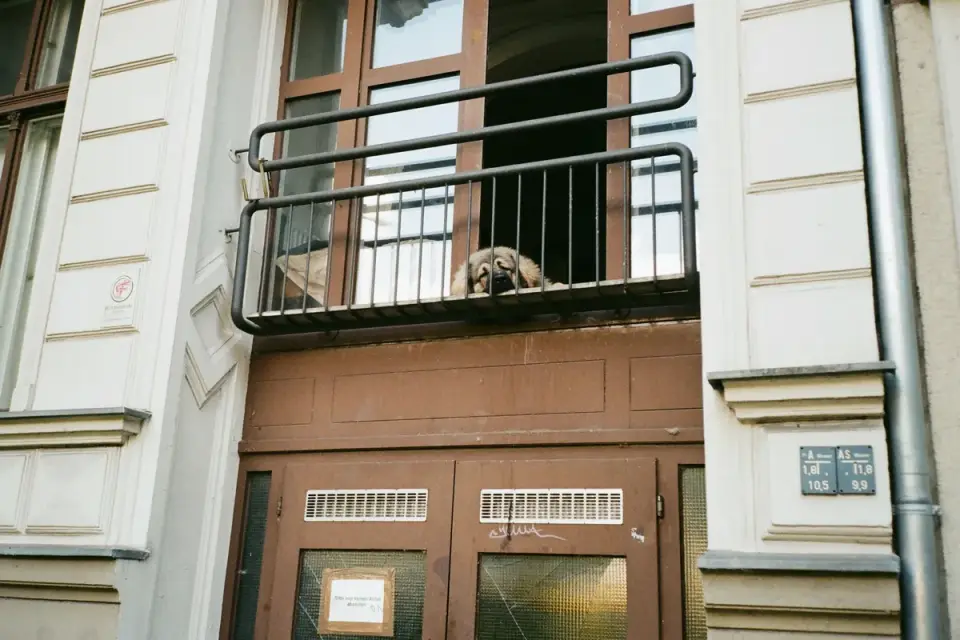
A failed shortcut teaches more than a perfect plan. A 6-year-old, 38-pound hound mix learned to enter for cheese within four days, so the owner jumped to a three-hour closed-door absence by day 6 while at work. The dog tore bedding, drooled across the crate pan, and refused dinner that evening. We stepped back to five-minute closed-door repetitions with the owner reading aloud nearby, plus a midday walker for two weeks. Vocal time fell from 40 minutes to brief whimpers, but the setback cost trust. Duration without choice is the tradeoff that breaks crate training.
Short sessions protect learning.
Where calming support fits — and where it does not
Exercise, predictability, and pain care carry the plan. A consistent walk, feeding, and sleep schedule may help support regulation more than any chew. White noise, dim light, and a worn T-shirt often settle a new rescue faster than a new product.
When owners ask about supplements, I stay skeptical but fair. L-theanine is an amino acid found in tea that has been studied for its calming properties. That authority summary is modest by design. Human data are often cited, including Nature Molecular Psychiatry: except for one study on psychotic anxiety (SMD = 0.54; 400 mg/day for 8 weeks) in a Molecular Psychiatry review, which does not translate directly to dogs or to crate behavior.
Botanicals sit in a similar place. Chamomile and Valerian Root have been used in traditional herbal care to support relaxation. The broader literature is candid: For the remaining species, evidence is derived mainly from preclinical studies or traditional use. That Biomedicines review keeps expectations realistic. Ashwagandha has human systematic-review interest — A systematic review analyzed multiple RCTs and concluded that ashwagandha has a moderate positive impact on stress reduction and cognitive performance. — reported in a Cureus review, again not a canine crate-training trial.
For readers comparing options, Dog Anxiety Supplements: What Actually Calms a Nervous Dog, and What’s Just Marketing and The Best Calming Supplements for Dogs, Scored on Doses and Testing lay out scoring without promising a quick fix.
The edge case owners miss is the quiet dog who shuts down. A 5-year-old, 68-pound shepherd mix never barked in the crate during three weeks of training, so the household assumed success. Video on day 18 showed a different story: frozen posture, dilated pupils, and refusal to drink for four hours. We moved the dog to a small gated room with a camera, resumed alone-time training without confinement, and asked the veterinarian to reassess hind-limb stiffness. Stillness is not the same as settling, and confinement is not mandatory for every rescue.
What would change if you measured calm by breathing and body softness rather than silence?
Frequently asked questions
How long does crate training an adult rescue usually take?
Many dogs accept voluntary entry within one to two weeks, while relaxed alone-time with the door closed often takes three to six weeks. Track settling time and appetite rather than the calendar, and pause progression if panic, injury, or food refusal appears.
Should I crate my rescue at night right away?
In most anxious rescues, no. Start with the crate open in your bedroom or nearby, let the dog choose it for rest, and close the door only for brief periods once the dog enters willingly and lies down without panting or vocalizing.
Sources
- Molecular Psychiatry review on L-theanine — Nature Molecular Psychiatry
- Biomedicines review on chamomile evidence — Biomedicines
- Cureus review on ashwagandha — Cureus